

PBJT as a Value Chain Discovery and Accountability Framework
Corporate sustainability reports speak of responsibility, ethics, and impact. PBJT asks a different question: how do these commitments translate in villages and worksites? Using disclosures such as BRSR, PBJT creates a ground-level lens for reflection:
- Do reported labour standards match worker experiences?
- Are environmental claims visible in local ecosystems?
- Are informal and last-tier risks acknowledged?
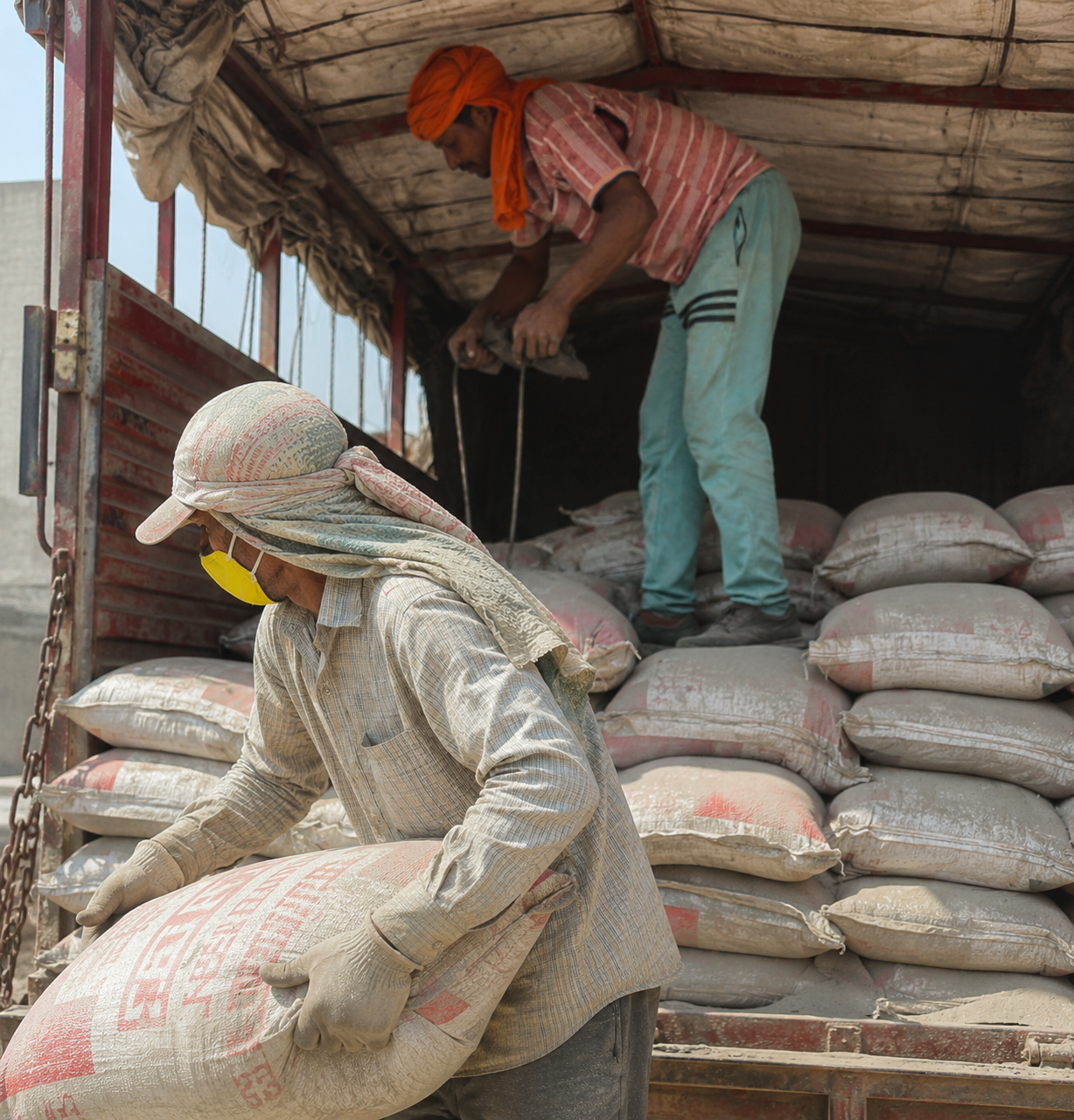
This work is not about auditing companies. It is about democratising sustainability language, enabling communities to understand what companies promise and to engage, negotiate, and seek accountability.
Our approach aligns with emerging global thinking on responsible value chains, including work by the Institute for Human Rights and Business and investor discussions that emphasise last-mile accountability.
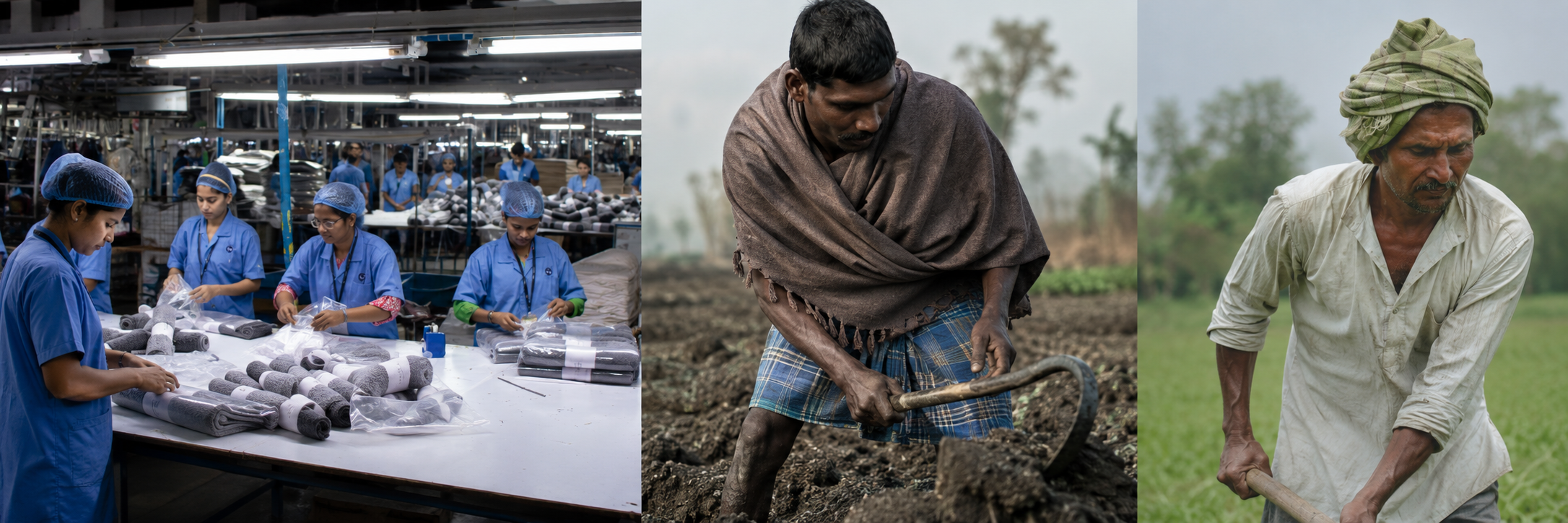
By working directly in villages and production clusters, PBJT helps businesses:
Identify informal workers, vendors, and micro-enterprises linked to their operations
Understand how environmental and social risks are distributed locally
Support MSMEs to transition responsibly
Build stronger, more ethical, and resilient supply chains