

Methodology:
HowPBJT worksPBJT follows a participatory action study approach that integrates social realities, environmental conditions, market systems, village governance, and business value chains.
The focus is on strengthening existing groups rather than creating parallel structures, ensuring long-term ownership and sustainability.
Key elements include:
Supporting MSMEs to adopt green practices such as solarisation and waste reduction
Worker think tanks that define green job standards based on lived realities
Collective platforms that connect workers to green employment
Community task groups addressing waste, water, climate adaptation, and stewardship
A convener role that connects communities, businesses, institutions, and government schemes
Expected Change
of Place-Based Just Transition
of Place-Based Just Transition
For Communities and Workers
Improved livelihoods, stronger collective power, increased participation in sustainability decisions, and access to green jobs.
For MSMEs
Support for sustainable production, access to finance and markets, and reduced transition risks.
For Businesses and Brands
Stronger value chains, improved ESG outcomes, deeper risk understanding, and more credible sustainability action.
For Local Ecosystems
Better environmental outcomes, stronger local governance, and more equitable economic systems.

“From local realities to systemic change, together.”
PBJT:
A New Architecture for Responsible Business
Place-Based Just Transition offers a model where sustainability is co-created by workers, communities, MSMEs, and businesses.
In this architecture:
- Local realities shape sustainability action
- Businesses become accountable to communities
- Workers become agents of transition
- MSMEs become sustainability partners
- Communities co-create their environmental and economic futures
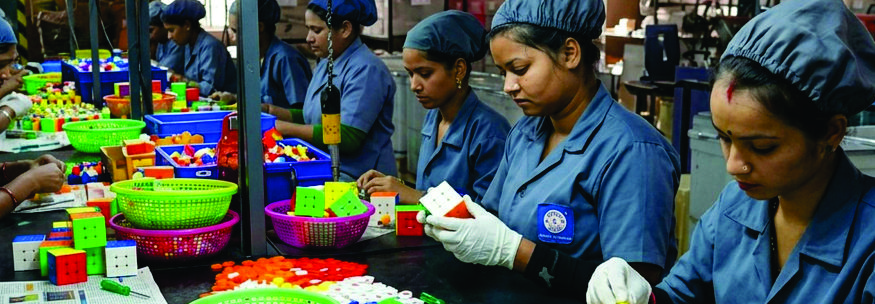
Workers
From labour to leadership in green value chains.
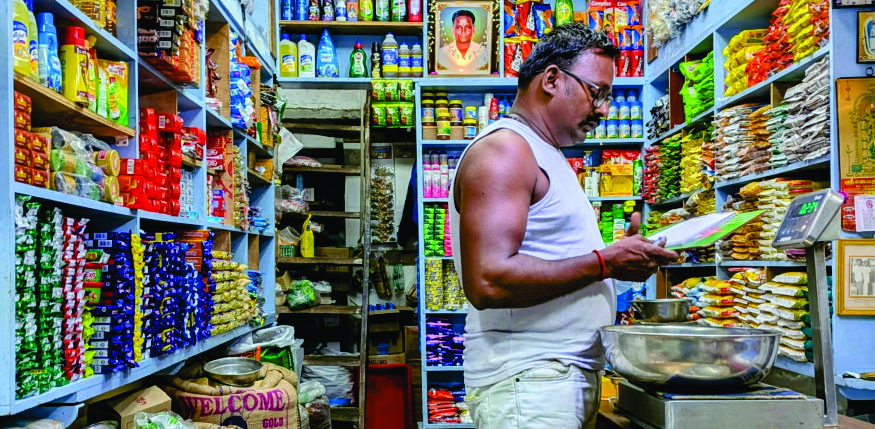
Businesses & MSMEs
From extraction to sustainable value creation.
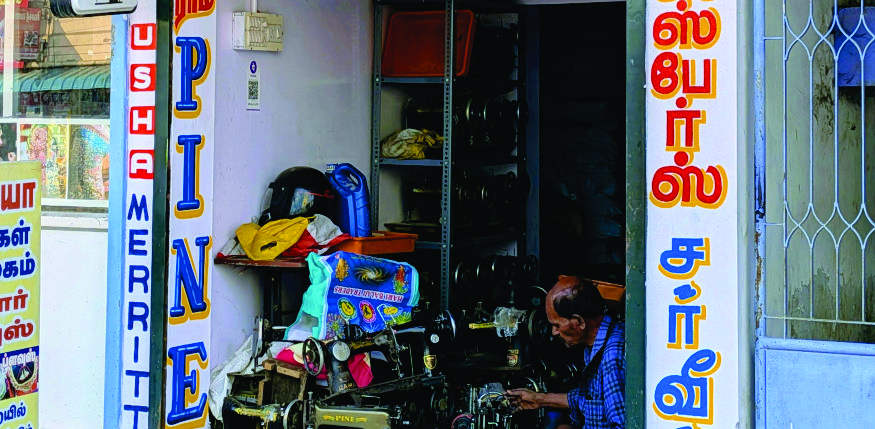
Communities
From vulnerability to voice, ownership, and resilience.
This process does not aim to audit companies, but to democratise sustainability language. When communities understand what companies promise, they are better positioned to engage, negotiate, and hold systems accountable. Our work aligns with emerging global conversations on responsible value chains, including perspectives from organisations like the Institute for Human Rights and Business and investor-led frameworks that emphasise last-mile accountability.